

As electric vehicles (EVs) become more popular, it’s essential to understand the different types of EV chargers available. The three main levels—Level 1, Level 2, and DC Fast Charging (Level 3)—each serve distinct purposes and charge vehicles at different rates. Choosing the right one for your needs depends on factors like charging speed, location, and cost. Let’s break down the levels of EV chargers to see what sets them apart.
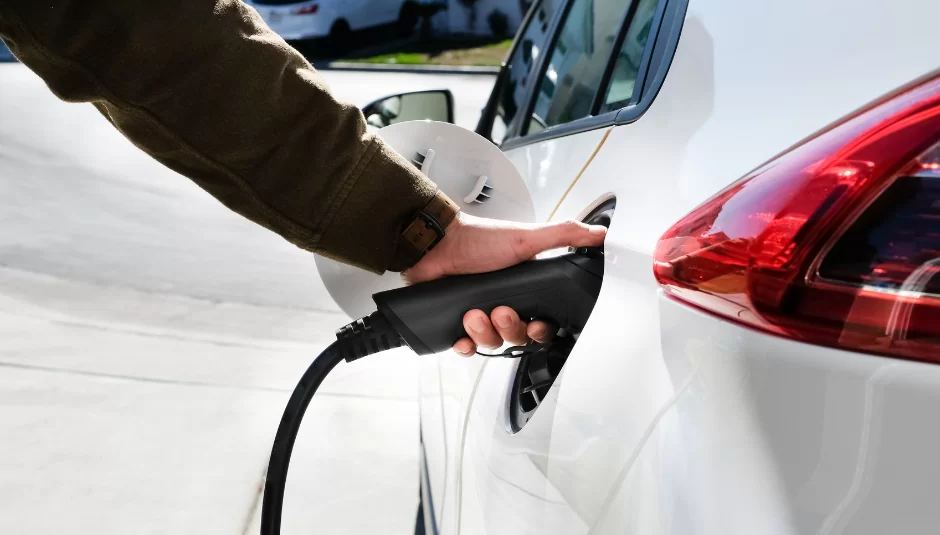
When researching electric vehicles, you might come across talk of a level 2 charger or a level 3 charger. But what do those levels mean?
Basically this: the higher the level, the faster the charge but also the more expensive the equipment and installation.
Level 1 chargers are the most basic type, typically using a standard 120-volt household outlet. This charging method comes standard with most EVs and doesn’t require any special installation. However, it’s also the slowest, adding about 2 to 5 miles of range per hour. Because of its speed, Level 1 is ideal for overnight home charging when speed is less critical. If your daily commute is short and you can charge your vehicle over extended periods, this may be a cost-effective solution.
Also, many manufacturers recommend that you don’t use a standard extension cord.
Level 2 chargers use a 240-volt outlet and require additional equipment and installation. You’ll often see these at public charging stations, workplaces, and in residential garages. Compared to Level 1, Level 2 offers significantly faster charging—typically 10 to 25 miles of range per hour. If you have a longer commute or need to top off your battery during the day, a Level 2 charger will be more suitable. The added speed makes Level 2 a popular choice for both home installations and shared public charging stations.
DC Fast Charging, also known as Level 3 charging, is the fastest option available. These stations use direct current (DC) instead of alternating current (AC), delivering power at a much higher voltage. With 50 to 350 kW of power, they can add up to 80% of charge in 20 to 30 minutes. Due to its high power requirements and cost, DC Fast Charging is mainly found at commercial locations like highway rest stops, shopping centers, and dedicated EV charging hubs. It’s perfect for long-distance travelers and those needing a quick boost, but it’s not commonly installed at homes due to its cost and power demands.
Do you still have questions about the levels of EV chargers? Contact our team today, we are happy to help!
There are a number of reasons to hire a professional to install your electric vehicle charger rather than trying to do it DIY.
Based in Moline, Point Electric’s team of experienced electricians proudly provide residential electrical services to the greater Quad-Cities area, including Moline, Rock Island, East Moline, Davenport, Bettendorf and beyond. Contact us today for a free quote.
Wondering if you need to replace your electrical panel to install an EV charger? Learn more here!
