

As electric vehicles (EVs) become more popular, the convenience of having a home charging station is appealing to many. However, one common concern that might cause hesitation is whether your home’s electrical panel can support an EV charger. Upgrading your electrical panel can be an additional expense, so it’s natural to wonder if it’s necessary. Let’s dive into this topic to help you make an informed decision.
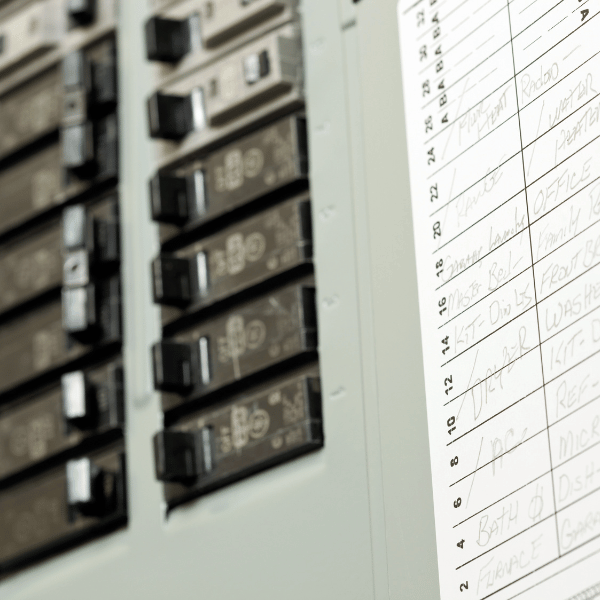
Your home’s electrical panel, sometimes called a breaker box or fuse box, is the hub of your home’s electrical system. It distributes electricity from the utility company to different circuits in your home. Each circuit is protected by a circuit breaker, which trips if the circuit becomes overloaded, preventing damage to your wiring or potential fires.
When installing an EV charger, especially a Level 2 charger, which is faster and more powerful than a standard Level 1 charger, the demand on your electrical system increases significantly. (Learn more about EV Charger levels here.) The key question is whether your current panel has the capacity to handle this additional load.
Here are a few scenarios where an electrical panel upgrade might be necessary to install an EV charger:
The best way to find out if you need an upgrade is to have a licensed electrician perform a load calculation. This calculation assesses your home’s current electrical demand and determines whether your panel can handle the addition of an EV charger. The electrician will consider all the major appliances and systems in your home, as well as your typical energy usage patterns.
If you do need an upgrade, it’s important to recognize the benefits. While it’s an added expense, upgrading your electrical panel can improve the overall safety and functionality of your home’s electrical system. It can also increase your home’s value and future-proof your electrical system for additional upgrades, such as adding solar panels or other energy-efficient appliances.
If an upgrade is necessary, the process typically involves:
If you’re on the fence about getting an EV charger because of concerns about your electrical panel, it’s worth considering the long-term benefits. While the initial cost of an upgrade might be a factor, the convenience of home charging, potential savings on fuel, and the future-proofing of your home’s electrical system can make it a worthwhile investment.
At Point Electric, we specialize in helping homeowners navigate these decisions with confidence. We offer expert assessments, clear guidance, and professional installation to ensure your EV charger is installed safely and efficiently. If you’re considering an EV charger or have questions about your electrical panel, don’t hesitate to contact us for a consultation. We’re here to help you power up for the future.
